
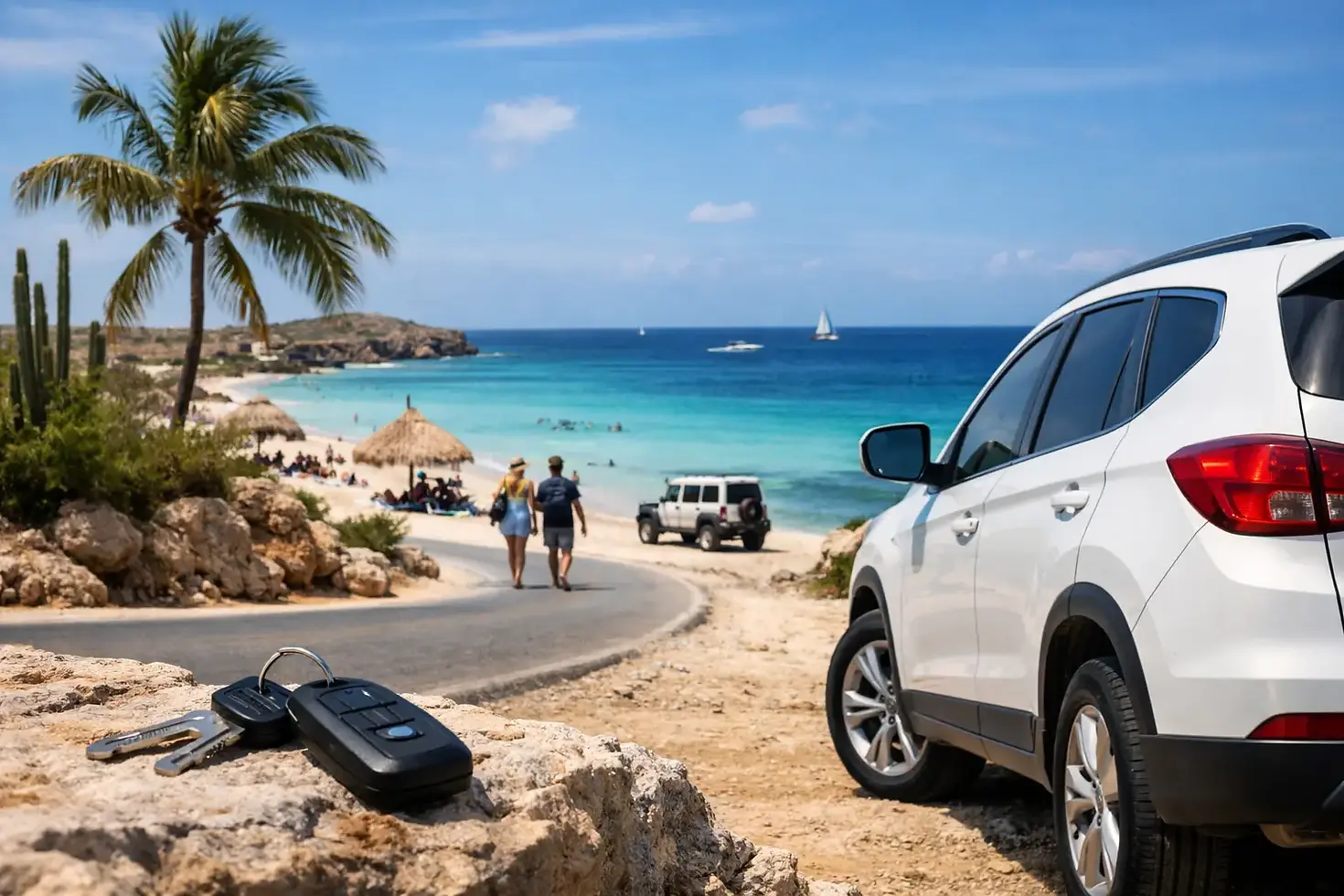
Do You Need a Car in Aruba? What to Know
- Key Point Rental

- Aug 12
- 6 min read
The difference between a good Aruba trip and a great one can be as simple as whether you can leave the resort when you want. Do you need a car in Aruba? Not every visitor does, but for travelers who want more than the beach directly in front of their hotel, a rental car brings a level of freedom that is hard to replace.
Aruba is compact, sunny, and easy to explore, but its best experiences are spread across the island. A morning at Eagle Beach, lunch in Noord, sunset at the California Lighthouse, and dinner in San Nicolas can all fit into one day when you have your own vehicle. Without one, that same day requires coordinating taxis, waiting on schedules, or limiting your plans to one area.
Do You Need a Car in Aruba for Your Trip?
A car is not mandatory for every Aruba vacation. If you are staying at a Palm Beach or Eagle Beach resort, plan to spend most of your time at the hotel, and only expect to take a few short rides, taxis and hotel transfers may be enough. Many restaurants, beach bars, casinos, and shops are close together in these resort areas.
The answer changes when your itinerary includes multiple beaches, local restaurants, sightseeing, or a little adventure. Aruba is only about 20 miles long, yet the places visitors come to see are not all within walking distance of each other. Baby Beach sits at the island's southern end. Arikok National Park, natural pools, rugged coastal views, and colorful San Nicolas are all easier to reach on your own schedule.
For most independent travelers, renting a car is less about covering long distances and more about avoiding compromises. You can stop for a photo, change beaches when the wind picks up, stay out for dinner, or head back to your accommodation without wondering how you will get there.
When a Rental Car Is Worth It
A rental car is especially useful if you are visiting Aruba for four days or longer. Over several days, taxi rides between your resort, restaurants, beaches, and attractions can add up quickly. A clearly priced daily rental also makes it easier to plan your transportation budget before you arrive.
Families often find a vehicle makes the trip much calmer. Sunscreen, towels, snacks, floaties, extra clothes, and tired kids are easier to manage when everything stays in the car. You can leave early for a quieter beach, return for a break, and head out again in the evening without packing and unpacking for every taxi ride.
Couples and friend groups benefit in a different way: spontaneity. Want to trade a busy beach for a quieter cove? Try a local lunch spot outside the hotel zone? Watch the sunset from the north coast before dinner? Your plans stay yours.
A car is also a smart choice if your hotel is outside Palm Beach. Accommodations in Noord, Oranjestad, Savaneta, and other residential areas can offer excellent value and a more local feel, but they are less convenient without transportation.
When You Can Skip the Car
There are situations where a rental is not necessary. A short weekend at an all-inclusive resort is the clearest example. If airport transportation is included, you have restaurants on-site, and your main goal is a lounge chair near the water, you may only need the occasional taxi.
Visitors who do not feel comfortable driving abroad may also prefer taxis and organized tours. Aruba drives on the right, and many main roads are straightforward, but vacation should feel relaxing. If driving feels like a chore, it may not be the right fit for your trip.
The public bus can be helpful along popular routes, particularly between Oranjestad, Palm Beach, and some southern areas. Still, it is not designed around a flexible sightseeing itinerary. Bus travel can take longer, routes may not reach the places you want to explore, and carrying beach gear through multiple stops is not everyone's idea of an easy vacation.
Taxis, Tours, and Cars: The Real Trade-Off
Taxis are convenient for airport rides, nights out, and short stays centered on one neighborhood. They remove parking and navigation from the equation. The trade-off is that every outing has a separate cost and requires a return ride plan, especially after dinner or from a more remote beach.
Organized tours work well when you want local commentary or prefer not to drive into rugged areas. They can be a great addition to a trip, even if you rent a car for the rest of your stay. What tours cannot provide is freedom over timing. You follow the group schedule, visit the selected stops, and leave when the tour leaves.
A rental car is usually the best value when you expect to make several stops a day. It gives you room for luggage and beach supplies, lets you choose your pace, and turns transportation from a recurring decision into a simple part of the day. The key is selecting a vehicle that fits your plans rather than paying for more capability than you need.
Choose the Right Vehicle for Aruba
Most Aruba visitors do well with a compact crossover or urban SUV. These vehicles are comfortable for beach hopping, dining in town, and driving between major attractions. Automatic, gasoline-powered models are familiar for many US travelers and easy to handle on the island's paved roads.
For a couple or small group planning standard sightseeing, a Kia Sonet, Toyota Cross, or GAC GS3 offers practical space without feeling oversized. They are a comfortable match for airport luggage, grocery runs, and all-day island exploring.
If your Aruba plans include rougher terrain, a 4x4-ready option such as a Suzuki Jimny or Jeep 212 can be a better fit. The north coast and some park areas are more rugged than the resort corridor. Before taking any vehicle off paved roads, confirm the permitted routes and rental terms. Conditions can change, and respecting marked roads protects both your day and the island.
Do not choose a 4x4 just because it looks adventurous. Choose it when your itinerary truly calls for it. A standard crossover is often the more comfortable, fuel-conscious choice for travelers focused on beaches, restaurants, shopping, and paved sightseeing routes.
What Driving in Aruba Is Like
Driving in Aruba is generally manageable for visitors. Roads around the resort areas, Oranjestad, and major destinations are well traveled. Traffic can be busier near Palm Beach and central areas at peak times, so allow extra time for dinner reservations and sunset plans.
Navigation is easier when you download maps before heading out, especially if you expect to visit quieter parts of the island. Keep your phone charged, follow local signs, and avoid assuming every unpaved road leads to a tourist attraction. The island rewards curiosity, but a little preparation goes a long way.
Parking is widely available at many beaches and attractions, though popular areas can fill up during the busiest hours. Arriving earlier is often the best move, not only for parking but also for a more peaceful beach experience. Never leave valuables visible in the vehicle, even for a quick stop.
At night, stay attentive on less-developed roads, where lighting may be limited. Drive at a relaxed pace, watch for local traffic patterns, and let the island's slower rhythm work in your favor.
Plan for a Smooth Rental Experience
The easiest car rental experience starts before you land. Reserve a vehicle that fits your passenger count, luggage, and plans instead of waiting to see what is available after arrival. If you are traveling during busy periods, early booking gives you more choice and more confidence in your daily rate.
Look for clear pricing and read what is included. Vacation transportation should not come with surprise charges that appear at pickup. Flexible cancellation also matters, since flight times and travel plans can change. Fast local support is equally valuable when you have a simple question about pickup, directions, or your vehicle.
Key Point Rental Aruba keeps this part straightforward with newer automatic vehicles, visible daily pricing, no hidden fees, flexible booking options, and quick WhatsApp assistance. That means less time sorting out logistics and more time deciding whether your next stop is a quiet beach, a local restaurant, or a sunset viewpoint.
A car is not required to enjoy Aruba, but it is often what lets you experience the island beyond your resort's front gate. If the trip you are picturing includes choice, flexibility, and a few unplanned stops along the way, having your own keys can make every day feel more like your own adventure.


Comments